
The health of our hair also deserves attention. First, it reflects the overall condition of the body and can often indicate metabolic disturbances or hormonal imbalances. Second, if you have a hair disorder, it is difficult to maintain an impeccable appearance.
What is trichology?
Trichology is a field of medicine focused on the diagnosis, treatment, and prevention of diseases affecting the hair and scalp, including:
- Alopecia (hair loss) — androgenetic, seborrheic, diffuse, patchy (areata), traction
- Seborrheic dermatitis
- Ringworm (tinea)
- Eczema
- Scalp psoriasis
- Folliculitis
- Trichoptilosis (split ends)
- Premature greying
- Other conditions accompanied by worsening hair quality, brittleness, and shedding
- Infestation with lice or mites.
Who treats these conditions?
Hair disorders are diagnosed and treated by a trichologist. This is a dermatologist with a relevant subspecialty. It is important to consult a specialist with a medical degree, as many salons offer hair “treatments” that do not provide a comprehensive medical approach. A trichologist provides qualified medical care for a wide range of hair-related problems, identifies and addresses the underlying causes rather than masking external symptoms.
When should you see a trichologist?
If you are concerned about the condition of your hair and scalp, a trichologist consultation is recommended. During the visit, you will receive individualized hair-care recommendations to help preserve beauty over the long term and protect against brittleness and hair loss.
See a trichologist as soon as possible if you notice that:
- Your hair has become brittle, split, sheds heavily, or turns grey quickly despite your young age.
- You have developed areas of hair loss.
- Your scalp itches, is covered with dry or oily dandruff, or forms crusts.
- You develop sores, pustules, or pimples on your scalp.
A trichologist can also help improve hair condition for patients who have experienced stress, pregnancy and childbirth, have endocrine disorders, or have undergone chemotherapy or radiotherapy.
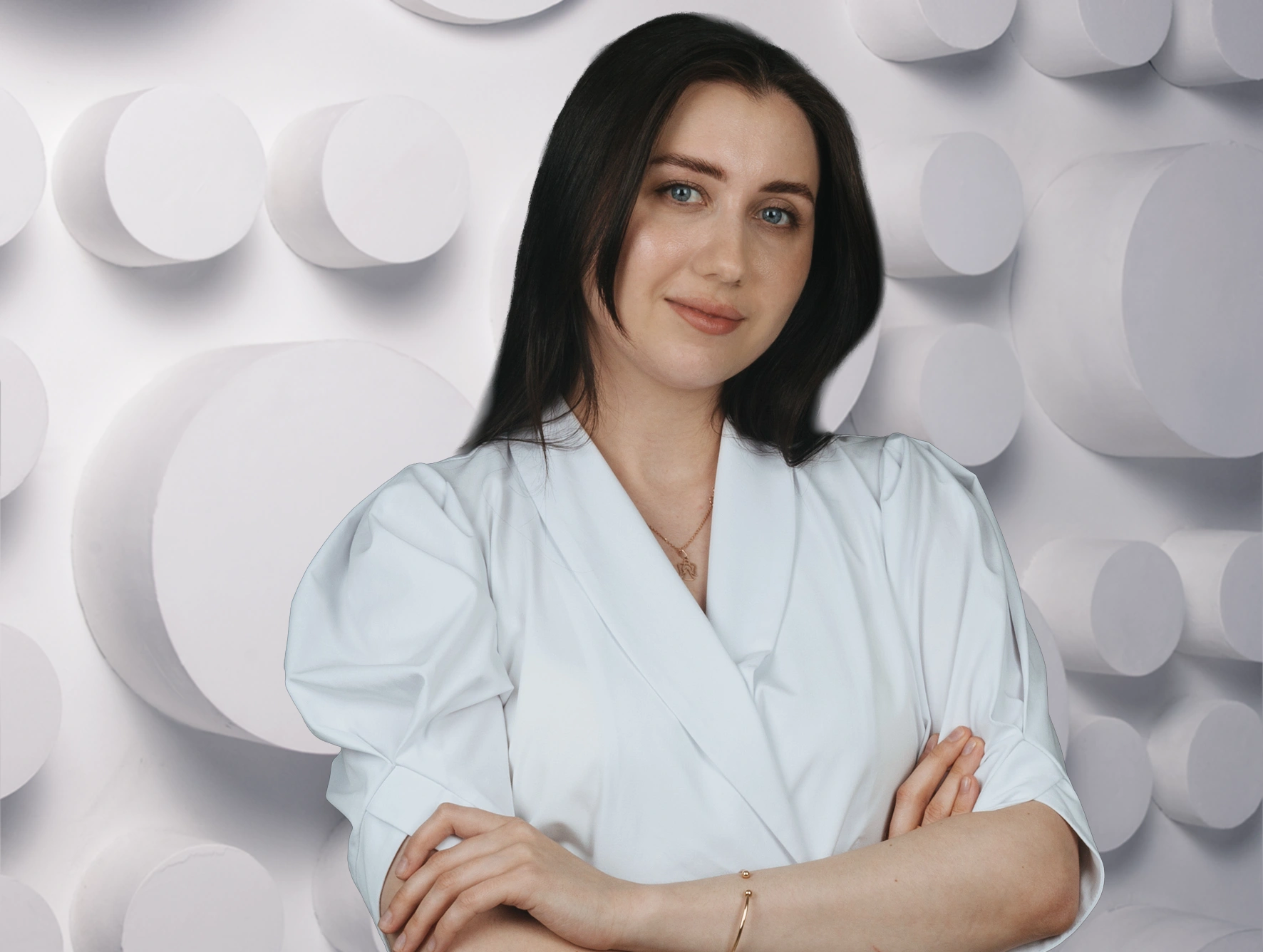
Our dermatologist
Viktoria Dorosh
Diagnosis and treatment of skin diseases: dermoscopy and removal of skin lesions, treatment of dermatoses, acne, dermatitis, and fungal and viral skin diseases. Diagnosis and treatment of scalp conditions (hair loss, seborrhea, folliculitis).
Main diagnostic and treatment methods
During the consultation, the trichologist:
- Takes a medical history — asks the patient about current health concerns and hair appearance, home hair-care routine, salon procedures you have had in the past, and any chronic conditions.
- Examines the hair and scalp.
- Performs trichoscopy — an examination using magnification to assess hair density, hair shaft thickness, the condition of follicles and scalp vessels, and to check for signs of inflammation or other pathological changes.
- If needed, orders laboratory tests (scraping, tests for infections, hormone levels, micronutrients, complete blood count and biochemistry, etc.) and may refer you for a consultation with a primary care physician, endocrinologist, or another specialist.
To treat diseases of the hair and scalp, a trichologist may recommend:
- Topical treatments — to stimulate hair growth, normalize sebaceous gland function, as well as keratolytic and antifungal agents.
- Oral medications — vitamins and micronutrients, treatments for androgenetic alopecia, antifungal and antibacterial agents.
- Injectable procedures — mesotherapy, injections of special “cocktails” into the scalp containing substances to improve hair growth and treat inflammatory processes.
Disease prevention
General recommendations for preventing hair and scalp diseases include:
- Follow personal hygiene rules and use care products suitable for your hair type.
- Eat a balanced diet and have regular meals.
- Give up harmful habits, or at least limit smoking and alcohol consumption.
- Avoid scalp hypothermia, which can cause vascular spasm and hair loss — dress appropriately for the season.
- Avoid contact with people who have symptoms of a fungal infection or head lice.
- Do not ignore symptoms of skin conditions — seek help from a dermatologist.
- Treat endocrine disorders and metabolic disturbances in a timely manner by consulting the appropriate specialists.
- Take care to prevent and manage stress.
However, only during an in-person visit with a trichologist can you receive a comprehensive consultation that takes into account all the individual characteristics of your hair and your overall health.
Frequently asked questions for a trichologist
How should I prepare for a trichologist examination?
Avoid washing your hair for 2–3 days, do not use styling products, and do not apply medicated products to the scalp. If you have previously been examined by a trichologist or have had tests done recently, bring your test results and the doctor’s conclusions with you to the appointment.
Which conditions cause severe hair loss?
Active hair shedding can occur with fungal scalp infections, seborrheic dermatitis, autoimmune disorders, diseases of the thyroid gland, pituitary gland, kidneys, and liver, as well as anemia and nutrient deficiencies. Effective treatment of hair loss requires identifying the exact cause, and the diagnostic process should start with a trichologist consultation.
What is the best remedy for hair loss?
There is no universal remedy for hair loss, because the causes vary. To receive effective treatment, be sure to consult a trichologist — not only to preserve appearance, but also for your overall health, as alopecia can accompany different conditions and it is important to recognize them in time.
Trichologist consultation cost
Book a trichologist consultation